
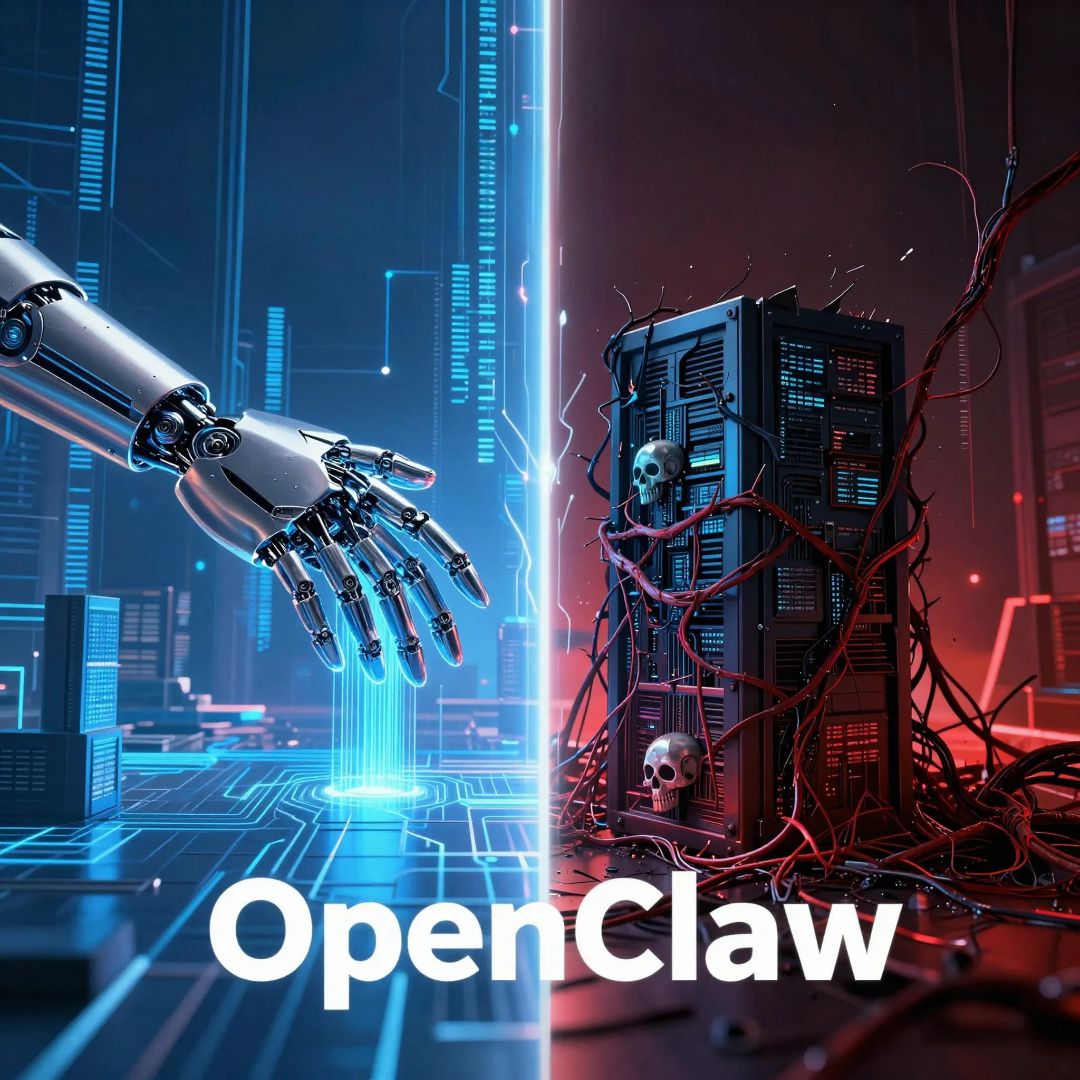
As AI agents become autonomously famous, OpenClaw talks about both productivity gains and security risks for the next generation of AI innovation.
Rise of Autonomous AI Agents
OpenClaw represents a new category of AI agents that can plan actions and interact with online services and complete their multi-step tasks without any human oversight. Unlike traditional AI tools generating text, analyzing data and AI agents can execute workflows such as booking services, scraping data, writing codes, and interacting with websites. According to McKinsey’s 2025 Global AI Survey, almost 55% of organizations are experimenting with AI automation agents especially in customer service, software development and digital marketing. OpenClaw’s popularity is due to its open-source architecture, allowing developers to modify and then freely implement this into organization level. This flexibility has made it attractive among Chinese developers and startups looking for alternative Western AI platforms.
Why OpenClaw Gaining Popularity in China
Chinese developers have increasingly turned towards open-source AI models and frameworks to improve innovation and OpenClaw is the answer for it. According to Bloomberg, OpenClaw gained momentum among Chinese developers as they operate in web networks and automate digital tasks efficiently. The systems reportedly interact with websites, collect data and execute instructions through autonomous tasks. This aligns with China’s push towards AI productivity tools for sectors such as e-commerce, logistics and enterprise services. The Stanford AI Index report states that China produced over 50% of the world’s AI patents in recent years, reflecting growing influence in the development of AI tools and infrastructure.
Productivity Gains For Businesses
By automating repetitive tasks, companies can reduce operational costs while accelerating decision-making and execution. Potential applications include: - Automated market research and data collection - Software development workflows - Customer service task automation - E-commerce inventory management - Cybersecurity monitoring These gains explain how technology companies are investing in automation AI systems. But the capabilities that enable automation are highly misused.
Conclusion
OpenClaw represents both the promise and the opportunity of the next generation of artificial intelligence. Its ability to automate digital workflows demonstrates the transformative potential of AI agents, especially for enterprise productivity. Industry analysts predict that single-task automation models are changing towards multi-agent systems that are capable of coordinating complex workflows across industries. Technology raises concerns about cybersecurity, misuse, and governance protocols. As autonomous AI systems become more capable, ensuring strict oversight and accountability will be critical for preventing unexpected consequences. The emergence of OpenClaw shows more than AI’s capability to assist humans but the beginning to act independently in today’s digital world. At InsightSphere, we track emerging technologies such as autonomous AI agents and analyze their implications for global business.